weather-nordic-flexiwall-hero

Global Data Centre Contractor Sweden

Flexiscreen keeps data center construction moving in sub-zero conditions

Customer

Data centre contractor

Sector

Construction

Location

Sweden

Solution

Flexiscreen

Keeping concrete curing through freezing conditions

Freezing conditions can quickly impact construction projects. Everything from foundation design to concrete pours and logistics schedules must be planned around extreme weather constraints. When plunging temperatures threatened to derail the timeline on one data center build, a weatherproof screen turned out to be the only way to keep work moving.

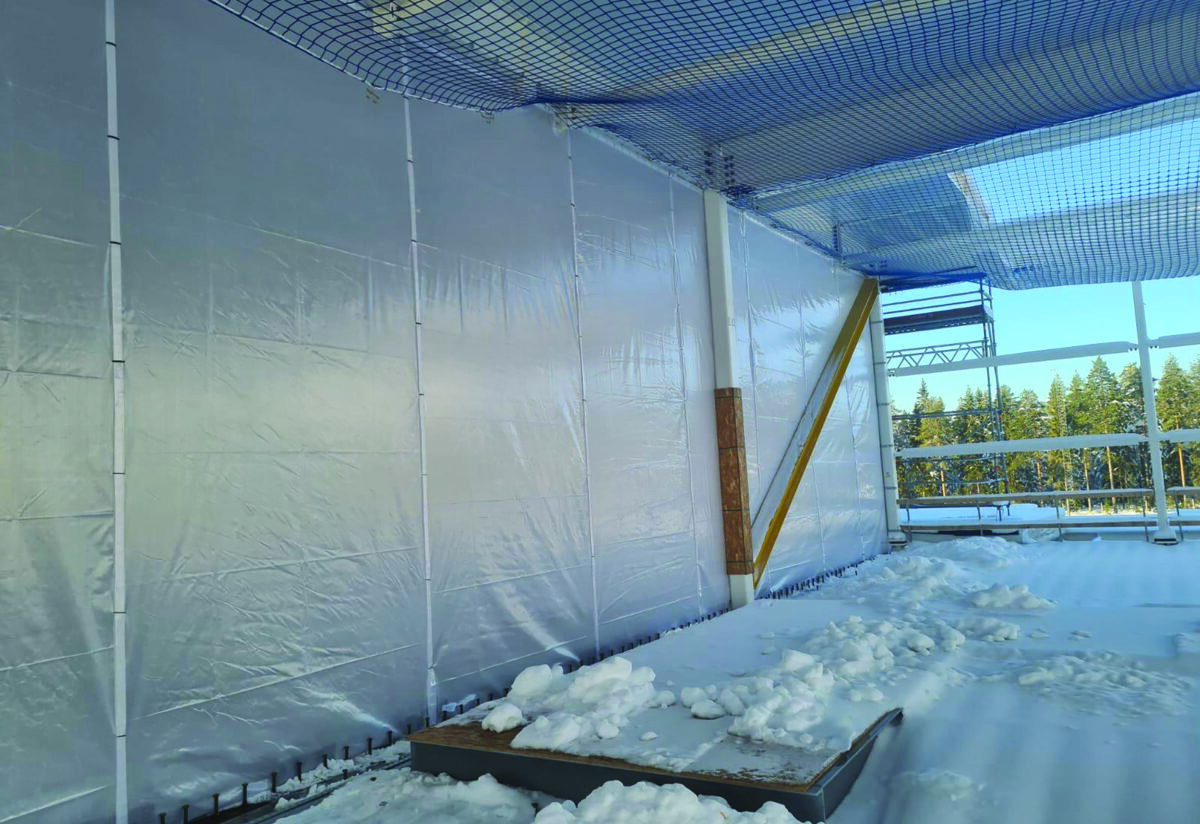
Standard scaffold sheeting would have allowed significant heat loss, resulting in exceptionally high heating costs. Westgate Global supplied approximately 10,800 sq ft of its high-seal Flexiscreen® temporary weatherproofing solution around the building’s open facade, helping to retain warm air within the work area. The solution enabled concrete pours to continue, protected the schedule, and reduced heating costs.

Keeping construction moving whatever the weather

Extreme cold doesn’t just slow construction down, it can stop it altogether. On a data center construction project in northern Sweden, where winter temperatures dropped to around -4°F, plunging temperatures put the project timeline at risk. To avoid costly delays to the build schedule, the contractor needed to heat the internal work area in to continue with cold-weather concrete pours. 

It’s the kind of challenge increasingly familiar to US contractors. As data center construction accelerates across the northern Midwest and Mountain states, construction hubs such as Iowa, Nebraska, Minnesota, and Wisconsin often build through very cold conditions. Even regions without a history of extreme cold have been caught out: the February 2021 Texas freeze showed how quickly a cold snap can bring construction and infrastructure to a halt when sites aren’t prepared for it.

The ideal temperature range for pouring and mixing concrete is 50°F to 90°F. Temperatures below 40°F stall the critical hydration curing process, increasing the risk of structural weakness and cracking. The only way to keep work moving through the winter was to enclose and heat the working area, reducing the temperature differential between the heated internal work area and the external environment. Without an effective temporary seal around the building, heat would escape rapidly, making heating costly and inefficient. The contractor needed a high-performance solution that could retain heat, reduce energy loss, and keep the project on schedule.

With a proven track record on previous data center projects in challenging environments, Westgate Global was chosen as a trusted partner. After working closely with the contractor to understand the site’s specifications, the team supplied Flexiscreen, a high-seal temporary engineered weathering solution.


Flexiscreen weather protection no scaffold required

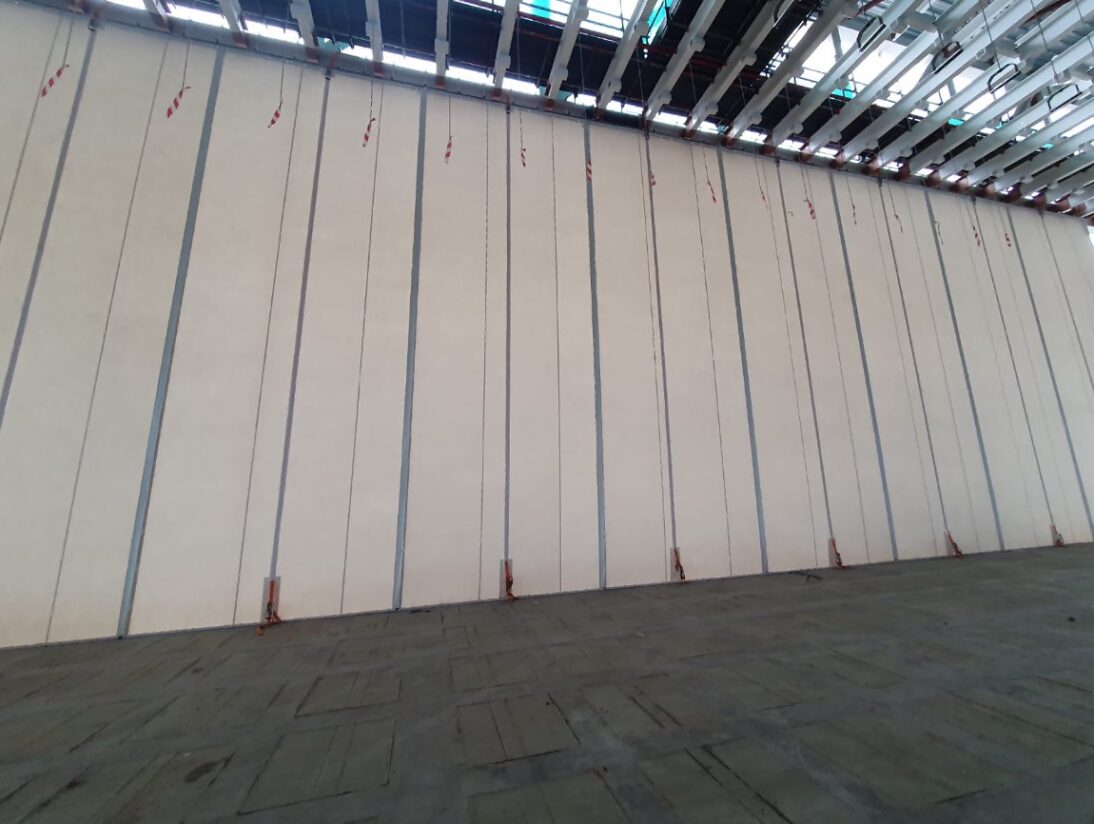
Approximately 10,800 sq ft of Flexiscreen was installed to enclose the area. The panels were suspended directly from the building’s existing steelwork using clips and S-hooks, creating a temporary facade without the need for supporting framework or scaffold. The remote location was exposed to the elements. To ensure the screening was fit for the environment, Westgate Global’s engineers conducted wind load calculations and structural design support as part of the specification process. 

Sealing the enclosure was critical to its performance. The client had considered alternatives such as modified scaffold sheeting, but this kind of lower-seal solution would have allowed significant heat loss, driving up heating costs and increasing the risk of concrete failing to cure properly. The Flexiscreen panels were joined using Flexiscreen’s v-overlap system, then tensioned and secured to the floor with battens, sealing tightly around ducts, pipes, steelwork, and at ceiling level. The result was an over 99% weather- tight enclosure engineered to outperform conventional scaffold sheeting or lower-grade temporary weathering products.
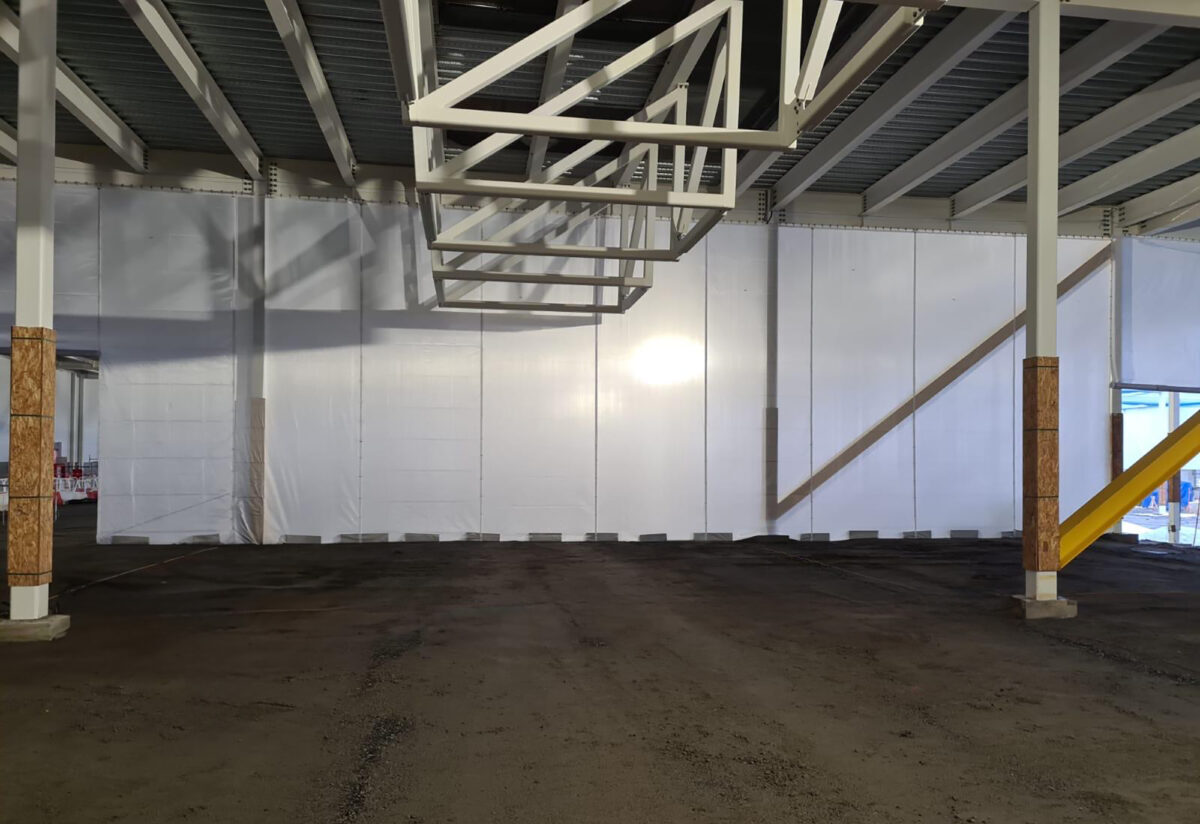
The enclosure retained heated air inside the working zone, keeping the internal temperature above the temperature required for concrete curing. Compared with a lower-seal scaffold sheeting alternative, the improved heat retention reportedly reduced heating costs by hundreds of thousands of dollars.
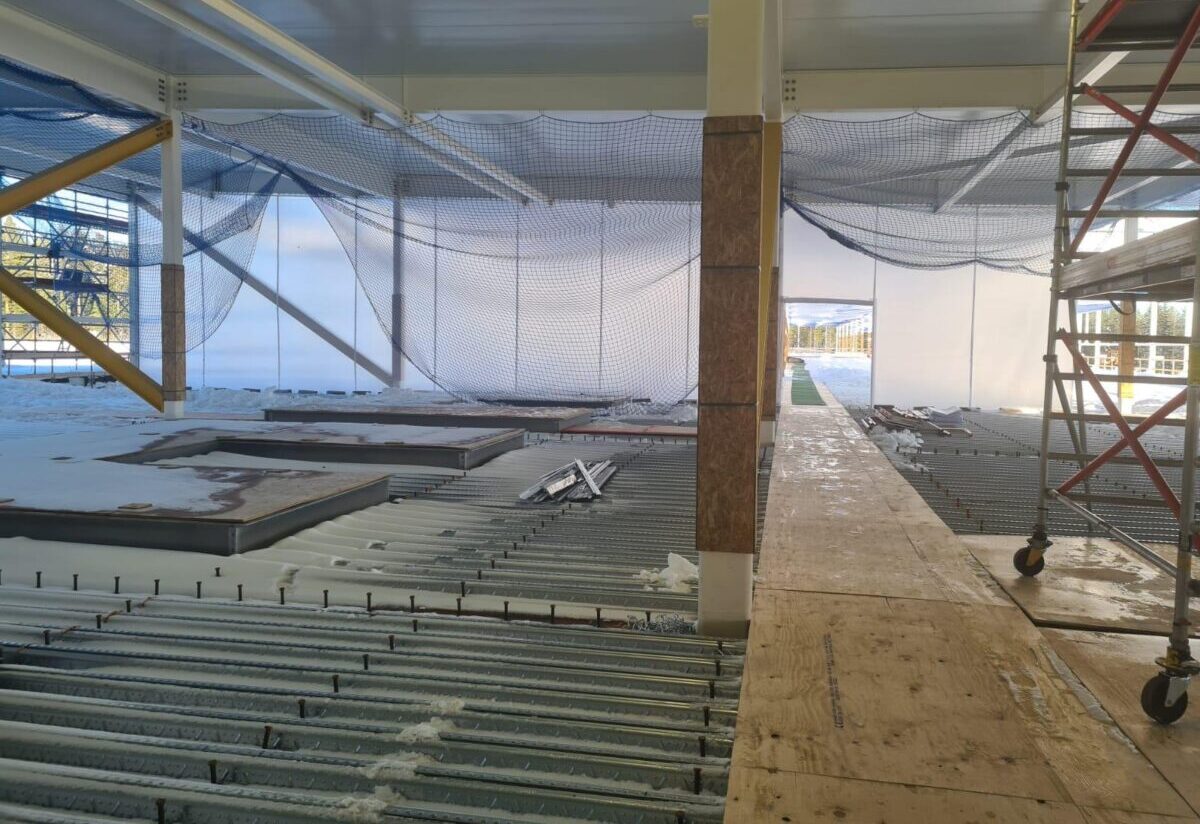
On this project, the Flexiscreen system delivered a weather-tight enclosure suited to the extremes of temperature found on a remote Nordic site: the kind of extreme-cold conditions now facing data center builds across the northern US. By retaining heat, it enabled cold-weather concrete pours to continue and significantly reduced energy costs, protecting the construction schedule against weather-related delay. The project demonstrates Westgate Global’s ability to support demanding builds in remote, cold-climate locations, wherever they occur.


Learn more about Flexiscreen

Got a project coming up?

We’re here to transform your protection and separation challenges into effective and compliant solutions. Whether you have a known requirement, need expert advice or a full scale project scoped and delivered, we’re here to help protect your momentum.